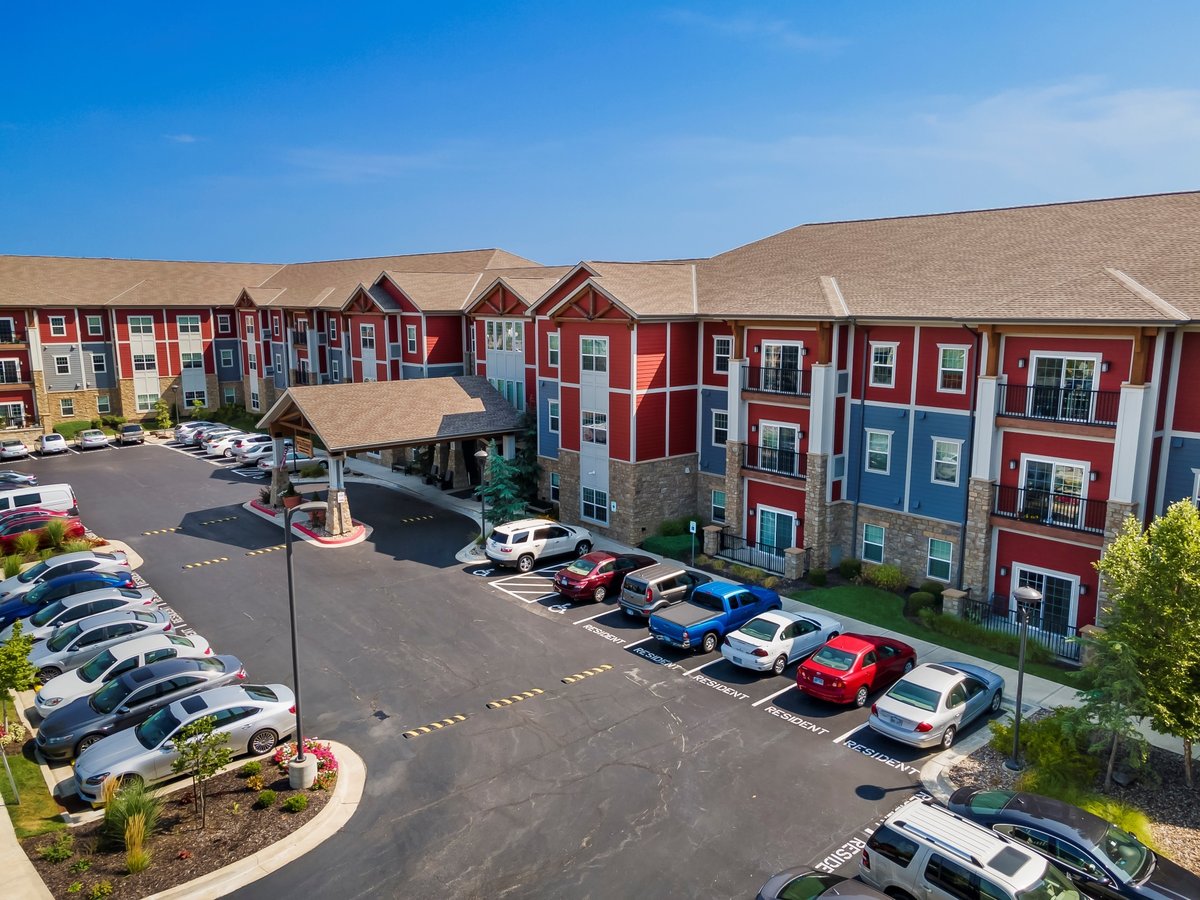

Many older adults assume that moving to independent living means selling the family home first. It does not always have to. Families exploring how to pay for independent living without selling a house may be able to use rental income, home equity, retirement resources or other financial strategies while keeping the property. At The Welstone at Mission Crossing, Active Independent Living offers a maintenance-free lifestyle in Mission, Kansas, with apartment homes, chef-prepared dining and everyday services that can replace several expenses of homeownership.
Before choosing a strategy, compare the cost of staying in the house with the cost of senior living. The right answer depends on your income, savings, property expenses, tax situation and long-term plans, so professional financial or legal guidance may be useful before making major decisions.
Start With the True Cost of Staying Home
Homeownership costs more than a mortgage payment. Property taxes, insurance, utilities and routine upkeep continue even after a loan is paid off. Larger repairs can make monthly spending less predictable.
Build a simple annual estimate that includes:
- Property taxes and homeowners' insurance
- Utilities, lawn care, repairs and routine maintenance
- Groceries, dining and housekeeping expenses
- Transportation and other services you regularly pay for
Then compare that amount with what is included in senior living. The Welstone at Mission Crossing offers Active Independent Living with housekeeping, scheduled transportation, chef-prepared Sensations Dining and access to wellness and social programs. Reviewing these services can make an apples-to-apples cost comparison more realistic.
Consider Renting the House
For some families, one of the most practical ways to afford senior living without a home sale is to turn the house into a rental property. Monthly rent may offset part of the senior living expense while allowing the owner to keep the property.
Before assuming rental income will cover the full cost, estimate:
- Expected monthly rent after property management fees
- Ongoing taxes, insurance and maintenance
- Money set aside for repairs and periods without a tenant
- Tax implications associated with rental income
A property management company can handle leasing, rent collection and maintenance if managing the property from The Welstone would be inconvenient. This approach may work especially well for someone who wants to preserve the home as a long-term family asset.
Review Home Equity and Short-Term Financing
Financing independent living while keeping your home may also involve available equity. A home equity line of credit can provide access to funds, while a bridge loan may provide temporary financing when a sale is planned later. Reverse mortgages may be available to qualifying homeowners, but occupancy rules and repayment requirements can make them unsuitable after a permanent move.
These options should be evaluated carefully. Interest, fees, taxes and estate implications can affect the long-term value of keeping the property.
The Welstone publishes its Active Independent Living floor plans and pricing information, with one- and two-bedroom apartment homes available. Reviewing actual apartment choices and current pricing can help you determine how much monthly income or financing would need to cover.
Use Retirement Income Strategically
Independent living payment options without selling can also include retirement income and investment assets. A financial professional can help determine how withdrawals may affect taxes, future income and the overall lifespan of a portfolio.
Possible sources to review include:
- Social Security and pension income
- Individual retirement accounts and workplace retirement plans
- Investment income, including interest or dividends
- Savings or other liquid assets reserved for housing expenses
The goal is not necessarily to rely on one account. Combining several predictable income sources may make monthly budgeting easier while leaving the house untouched.
Compare the Lifestyle Value, Too
A financial comparison should also consider what you receive for the monthly cost. Through The Welstone's senior living programs, residents have access to Sensations Dining, Dimensions Health & Fitness, Expressions Concierge, Connections transportation and Impressions Housekeeping & Maintenance. Those services can reduce chores and simplify everyday routines.
This distinction matters because The Welstone is an Active Independent Living community. It suits older adults who want a more convenient, social and maintenance-free lifestyle rather than personal care services from the community. Families searching for ways to keep the house while paying for senior living should make sure the living option itself matches the person's needs.
Choose a Strategy That Keeps Your Options Open
There is no single best answer for everyone. Creative ways to pay for independent living can include rental income, retirement resources, home equity or a combination of approaches. Before transferring property, borrowing against a home or making large withdrawals, consider speaking with a financial advisor, tax professional or attorney who can review your individual circumstances.
If you want to compare costs and see what is included firsthand, schedule a tour of The Welstone at Mission Crossing to explore Active Independent Living apartment homes, dining, amenities and everyday services.